Image: Brian Delaney, a lifeguard, cleans a lifeguard observation chair at a swimming pool during preparations for the 2010 swimming season at Randolph Air Force Base, Texas, May 20, 2010 100520-F-SS509-005, Steve Thurow. Public domain, via Wikimedia Commons.
Here is an illustrative example: at 12:40 on a July afternoon at a public pool, a boy we'll call Theo is still chewing the last bite of a peanut butter sandwich when he stands up and heads for the deep end. His mother doesn't even look up from her towel. "Thirty minutes," she says. "You'll get a cramp." Theo sits down on the hot concrete and watches the clock on the snack bar wall like it owes him money.
Millions of kids spent their summers doing that same countdown. The rule felt like science. Mostly, it wasn't.
Where the rule came from
The idea goes back a long way. Early twentieth century scouting and first-aid manuals warned that a full stomach pulls blood away from the arms and legs, leading to cramps strong enough to drown a swimmer. The logic sounded reasonable. Digestion does send more blood to the gut. From there, the warning moved into family habit and stayed for generations.
What the evidence actually says
When safety experts went looking for drownings caused by swimming after a meal, they did not find them. In 2011, the American Red Cross's Scientific Advisory Council reviewed the question and found no evidence that eating before swimming raises the risk of drowning. Large organizations that write water safety guidance, including the Red Cross, do not list a waiting period after meals among their rules.
A big meal can leave you feeling sluggish, and a hard swim on a very full stomach might bring on a side stitch or nausea. That is uncomfortable. It is not the dangerous, sudden cramp the old warning described.
You might be thinking that it never hurt anyone to wait. That's true. Thirty minutes on a towel is harmless. The trouble is that a rule built on the wrong reason can crowd out the right ones.
The worries that do hold up
Here is where Mom's instinct was better than her explanation. She was trying to keep a child safe around water, and the real risks are well documented:
- Supervision. The Centers for Disease Control and Prevention lists drowning as a leading cause of death for young children in the United States, and it says close, constant supervision is one of the most important protections. Drowning is usually fast and quiet, not the splashing scene people picture.
- Alcohol. For teens and adults, the CDC reports that alcohol is involved in up to 70 percent of deaths associated with water recreation. If there's a drink in hand at the lake, that matters far more than the sandwich.
- Swimming skill and life jackets. Formal swim lessons lower drowning risk for children, and life jackets matter in open water and on boats.
- Getting tired. A tired swimmer in deep water is in more danger than a fed one. Rest breaks do help, just not for the reason the rule gave.
So the half-hour rule was a good habit wearing the wrong label. Making kids take a break, sit down and be counted is useful. It just has nothing to do with digestion.
What to say instead
If you grew up with the rule, you don't have to throw it out completely. You can change the reason so it matches the facts. "Let's take a break and drink some water" works. So does "I want to see you swim before you go in the deep end." Many families pick a "water watcher," one adult whose only job for a set stretch is watching the swimmers, with the phone put away.
That's the kind of everyday wisdom this site collects: the science behind Mom's best advice, with the myths sorted from the parts that hold up. The jacket rule had its own mixed record, which we covered in Put On a Jacket or You'll Catch a Cold.
This is general information, not medical advice. A child with a medical condition that affects swimming should follow their doctor's guidance.
Your next step is small. Before the next pool day, pick who watches the water for each half hour, put that person's phone in the beach bag, and when the kids groan about the break, tell them the real reason. They'll still groan. They'll also remember.
Sources
- American Red Cross, water safety: https://www.redcross.org/get-help/how-to-prepare-for-emergencies/types-of-emergencies/water-safety.html
- CDC, Drowning Facts: https://www.cdc.gov/drowning/data-research/facts/index.html
- CDC, Preventing Drowning: https://www.cdc.gov/drowning/prevention/index.html
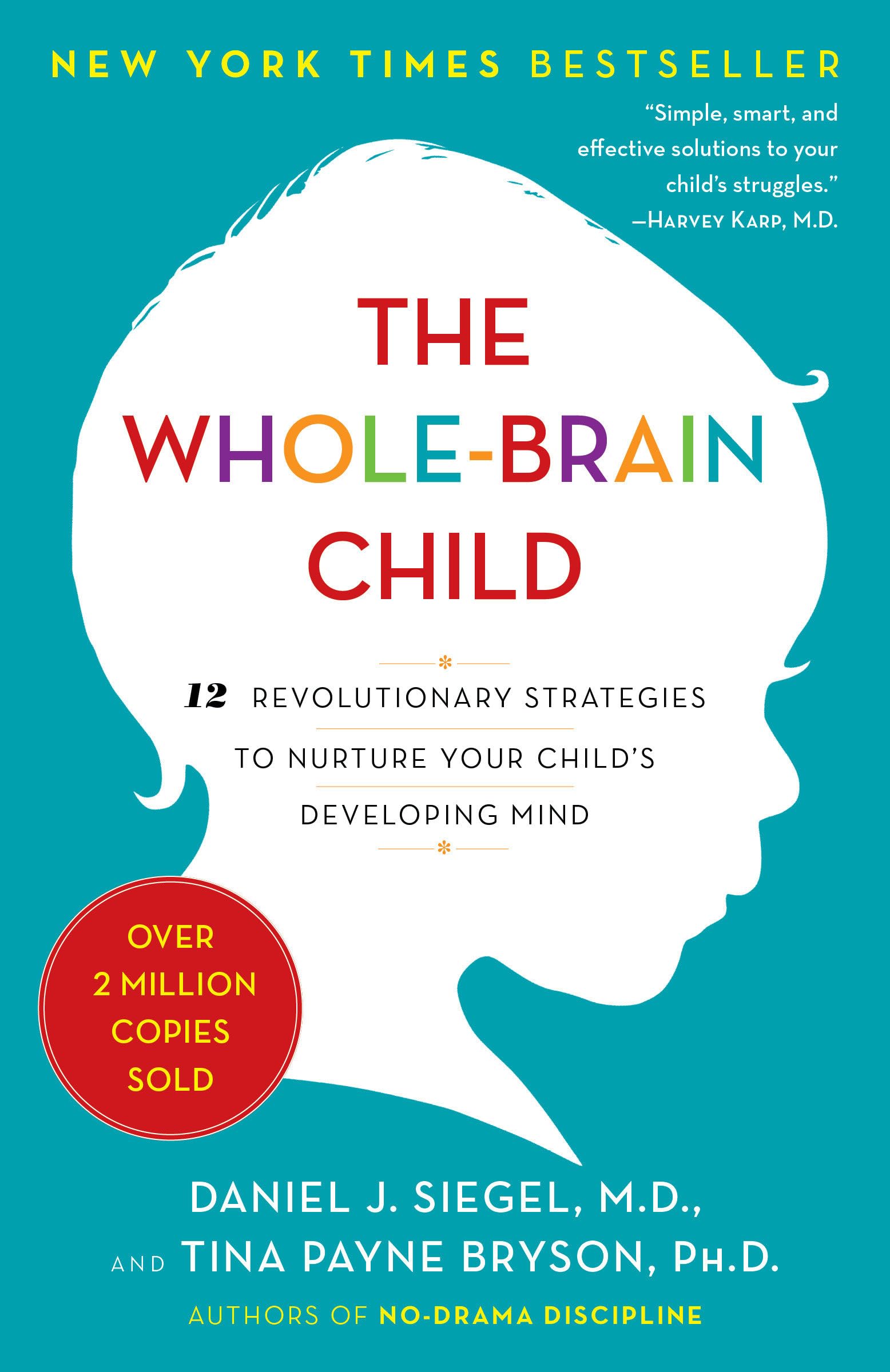 The Whole-Brain Child
 How to Talk So Kids Will Listen & Listen So Kids Will Talk
 Untamed
 The 5 Love Languages of Children
 Expecting Better
 Love You Forever

