Benjamin Franklin printed a couplet in Poor Richard's Almanack in 1735: early to bed and early to rise makes a man healthy, wealthy, and wise. It is a sales line for orderly living, written by a printer who also sold calendars. It is not a sleep study. A lot of mom advice sits in that same drawer. Some of it rhymes with a page a pediatric organization actually published. Some of it is care wearing a lab coat it never earned. Sorting the drawer is the useful job. Upgrading every old line into a medical promise is how households get weird.
This piece sorts four lines people still hear: eat your vegetables, go to bed, go outside, and be kind. Where a public page says something concrete, the page gets named. Where the line is folklore, it stays folklore.
Eat what is on the table
"Eat your vegetables" is rank nine in the Hall of Fame, right next to a joke about the body as an investment. The joke is doing too much work. The line, in real kitchens, usually means: there is a plant on this plate, and skipping it every night is not the family plan.
The American Academy of Pediatrics' family-meals page, written by pediatrician Natalie D. Muth and updated in May 2024, does not hand you a serving chart. It does say shared meals can be simple, that everyone can help, and that "Children who eat with their families will build healthy habits that can last a lifetime." Read the claim at that size. A carrot next to the noodles is a habit. It is not a personal nutrition prescription, and this article will not invent grams, ages, or outcomes the page does not state.
If you want the practical version, put the vegetable on the table in a form someone will actually touch, and sit down with them. The longer argument about presence, phones, and imperfect menus is in the family table rule. Do not fight the biology of taste at the same moment you are trying to pass the peas. One food, one night, no speech about the future of their arteries.
Bedtime is a proverb plus one modern detail
Franklin's couplet promises health, wealth, and wisdom before sunrise. Keep the humor. Drop the warranty. People need sleep. A couplet from 1735 does not tell you how much, at what age, or what to do about a child who cannot settle. If sleep is collapsing in your house, that question belongs with a clinician, not with Poor Richard.
What a current pediatric page does say, in plain household terms, is about the glowing rectangle. The Academy's family media plan page lists screen-free zones worth considering, including before bed, and it ties that zone to sleep along with face-to-face time and learning. The page also says to revisit the plan as a child grows. That is guidance about a habit, not a diagnosis.
So the remount of "go to bed" in this decade is less about moral fiber and more about a sequence: the screen parks, the light drops, the same order happens most nights. How to make that sequence visible (a timer, a shelf, a rule you do not renegotiate at 9:40) is the work of kitchen-timer boundaries. The science, such as it is here, is the modest claim on that media page. The proverb can stay on the mug.
Go outside is a routines note, not a cure
"Go outside and play" is near the end of the Hall of Fame, filed under fresh air. Fresh air is a feeling. The Academy's routines page is more specific and less magical. In the afternoon section it tells families to give children time outdoors to spend energy and to get physical activity. It sits beside other ordinary blocks: mornings that are set up the night before, evenings that include a shared meal. Outdoor time is one block in a day that has a shape.
That is enough to keep the saying. It is not enough to claim that a walk fixes mood, school, or behavior. Use the block because a body that has been in a chair since lunch often needs a change of scene before it can do homework or be decent at dinner. Ten minutes with you on the sidewalk counts. A speech about character does not.
Weather gear is the cousin line: put on a coat. The Hall of Fame keeps that line with the other household warnings. Worry can still hand someone a coat. Just do not tell them the coat is a clinical intervention. Cold air and viruses are not the subject of this article, because this article will not invent a mechanism it is not quoting. Hand over the coat. Skip the biology lecture.
Kindness is a practice, and the lab version is narrower than the proverb
"Be kind. You never know what someone else is going through" is in the archive as a matters-of-the-heart line. It is good ethics. It is not, by itself, a finding.
The closest published picture this site leans on is narrower. Harvard's Center on the Developing Child describes serve and return: a young child's bid, and an adult's matching response. The center says those exchanges support early language and social skill. That is about answering a baby or a small child who reached first. It is not a randomized trial of "be kind" as a slogan on a kitchen wall. The everyday how-to (smaller questions, fewer depositions) is in small conversations. Use that piece for the practice. Use Harvard for the limited claim about early back-and-forth. Do not staple them together and call it proof that polite children get better brains.
Kindness in an older child is mostly modeled. They watch whether you narrate the cashier as a person or as an obstacle. They watch what you say about a relative who is not in the room, which is the subject of the gossip rule. A poster will not outrun that.
How to use a saying without counterfeiting a study
A simple test keeps the drawer honest.
- Can you point to a page, a book, or a year for the factual half of the sentence? If yes, say the source out loud once, in case you are exaggerating it. "The pediatric page talks about screens before bed" is a source. "Studies show" is a fog.
- If you cannot point, label the line as a family value. "In this house we eat a vegetable at dinner" is allowed to be a value. It does not need a fake citation.
- Never attach a personal outcome you cannot know. Not to grades, not to height, not to who they will become. The about page says this site should distinguish reflection from checkable fact. Hold yourself to the same line at the table.
When two sayings conflict, prefer the one that matches the day you are in. Early to bed loses to a child who is ill and needs you up. Vegetables lose to a stomach bug. Kindness loses, for a moment, to a safety limit that sounds unkind and is still the job. Wisdom is the editing, not the collection.
A week of sorting, not upgrading
Pick three lines you actually say. Next to each, write "page," "proverb," or "house rule." If you wrote "page," add the name of the page so you can find it again. If you wrote "proverb," enjoy it and stop citing imaginary labs. If you wrote "house rule," decide whether you still want it this year.
You will probably find that the lines you trust most are the boring ones: a shared plate, a darker room, a trip outside, a softer word about a stranger. None of them need a statistic to be worth repeating. They need you to repeat the true version.
Which of your lines is a proverb you have been introducing as if it were a finding?
Q: Are you saying old advice is useless if it is not in a study? A: No. A house rule can be wise and still be a house rule. The mistake is the costume: talking about Franklin, or about your mother, as if either one had published a trial. Keep the rule. Take off the costume.
Q: Where should I go for an actual sleep or nutrition question about my child? A: To a pediatric clinician who can see your child, or to the Academy's own pages for general background. This article only sorts sayings. It does not set a bedtime, a diet, or a screen number for your family.
Sources and further reading
- Franklin, B. (1735). Poor Richard's Almanack. The "early to bed and early to rise" couplet is a proverb, quoted here as folklore.
- Muth, N. D., for the American Academy of Pediatrics. Benefits of family meals. Updated May 14, 2024.
- American Academy of Pediatrics. How to make a family media use plan. Includes screen-free time before bed among example rules, and says plans should change as a child grows.
- American Academy of Pediatrics. The importance of family routines. Afternoon outdoor time is described there as a way for children to spend energy and get physical activity.
- Center on the Developing Child at Harvard University. Serve and return. Early back-and-forth, not a slogan study.
- General commentary only. It is not medical advice and not a plan for your child's sleep, diet, or development.
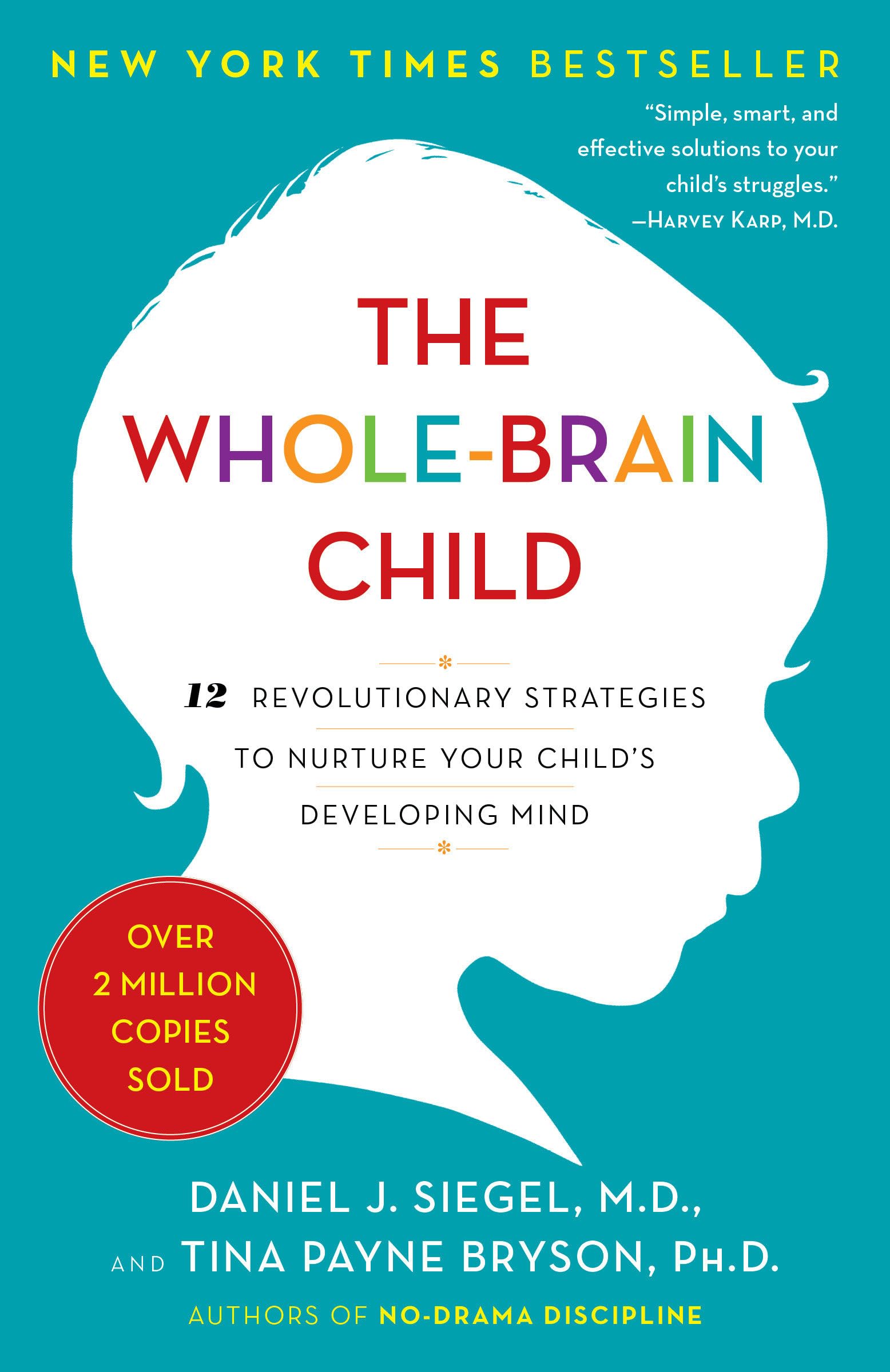 The Whole-Brain Child
 How to Talk So Kids Will Listen & Listen So Kids Will Talk
 Untamed
 The 5 Love Languages of Children
 Expecting Better
 Love You Forever