A kitchen timer is a stupid little object, which is why it works. It does not have a mood. It does not bring up last Tuesday. It rings at the minute you both watched it get set. A lot of household fights are fights with an invisible rule: bedtime that moves when you are tired of arguing, screen time that ends when you have had enough, chores that expand because you are angry. The child is not resisting a limit. They are resisting a limit they cannot see until it lands on them.
The American Academy of Pediatrics' page on a family media plan is built for this kind of visibility. It suggests families discuss rules that fit their own routines, including screen-free zones such as the dinner table, homework, and the time before bed. It mentions a "one screen at a time" idea, checking privacy settings, and talking about ads and influencer marketing so a child can tell what is being sold. Then it says to revisit the plan, at the start of a school year or a break, because a plan should change as a child matures. None of that is a number of minutes this article will invent. It is a shape: the limit is written, shared, and revised on purpose.
Make the edge something they can point at
Before you buy a gadget, use what the kitchen already has. A timer for the last game. A lamp that means homework light, and a darker lamp that means the day is closing. A basket that holds phones during the meal, which pairs with the presence rule in the family table piece. A list on the fridge with three jobs, so "clean up" cannot quietly become "clean the whole house," the problem the chore essay takes on.
Say the edge before the activity starts. "The timer gets twenty minutes, then the tablet goes on the shelf until tomorrow." Starting the clock in the middle, because you suddenly need the room quiet, teaches them that the timer is your mood with a beep. They will argue with a mood. They have a harder time arguing with a clock they watched you set.
If they argue anyway, repeat the edge once and then do the thing. A second explanation is a negotiation. "Because I said so" (number one in the Hall of Fame) belongs here only after the reason has already been given on a calm day. On the calm day you say why: sleep, homework, the shared room, the plan you wrote down. In the moment you point at the plan. You do not hold a seminar while the timer is ringing.
What is negotiable, written down
Children test limits partly to find out which ones are real. Help them by sorting in advance.
Not negotiable, in most houses: safety, where they are, how they get home, school attendance, kindness that keeps people unhurt, the screen-free places you already agreed. Negotiable: which book, which snack, which friend comes over, whether the twenty minutes are a game or a video, whether bedtime reading is ten minutes or fifteen when the morning went well.
Write three of each. Put the list where you will see it when you are about to cave for peace or tighten the screws because you are irritated. A list will not make you consistent by magic. It will make the inconsistency visible, so you can say "I moved the line, that was me, the line tomorrow is the list." Children can live with a corrected adult. They struggle with an adult who pretends the line never moved.
The media-plan page is explicit that adults are the model. If your phone sits at the table, the basket is a prop. Park yours first. If you will not, do not make a speech about addiction. Make a smaller rule you will actually keep.
Bedtime as a sequence
"Go to bed" is a cliff. A sequence is a slope. The same order most nights: screens on the shelf, wash, pajamas, one short read or one song, lights down. The science piece separates Franklin's proverb from the pediatric note about screens before bed. This piece is only about the slope.
Warn once, at a time they can still use. "Ten minutes to the shelf." Then the timer, if you need an object. Then the shelf. If you warn four times, you have taught them that the first three are weather. Pick the number of warnings you will truly honor, and honor it on a dull Tuesday so the Friday fight is not the training day.
A child who is afraid of the dark needs a change in the sequence, not a character critique. A night light, a door left an inch, you in the hall for a week. Fear is not the same problem as stalling. If you treat them as the same problem, you will either mock a real fear or spend an hour being managed. Ask which one you are in. If you do not know, assume fear for three nights and watch what happens when the sequence gets kinder and still ends.
When the timer becomes a weapon
Any tool can be used to humiliate. Setting a timer on a crying child and announcing it to the room is contempt. Shortening the agreed time because you are angry is moving the line and blaming the clock. Using a timer to make a sibling race, then praising the winner, turns a limit into a contest the younger one will lose.
The repair is boring. Restore the original time. Say you used the timer to punish, and that is not what it is for. Do the next interval fairly, where they can see it. If the underlying issue is that you are overwhelmed every evening, the timer will not fix your staffing problem. Trade nights with another adult, shrink the evening, or drop one activity. A boundary that requires you to be a drill sergeant is a boundary you have made too complicated.
Peer plans need the same visibility. If the answer to a party is no, say it in daylight with the reason and the alternative, as the bridge article suggests. A no invented at the door, with friends already on the step, feels like arbitrary power because it is arriving as arbitrary power. The decision may still be right. The timing trained nobody.
Revising without a debate club
The Academy's media page suggests real occasions for a revision: a new school year, summer, a holiday break, a child who has plainly outgrown a rule. Put it on a calendar. In that meeting, each person gets one change to propose. You keep a veto on safety. They get a real win on something small, or they learn that "revisit" was a slogan. Either outcome is information.
Do not revise in the middle of a breach. "You stayed on after the timer, so now the rule is zero screens" feels coherent and usually starts a war. Hold the original consequence you already named, the tablet is done tonight, and save the new rule for the revision day. Consequences you invent while hot get walked back, and walked-back consequences teach them to wait you out.
The Hall of Fame puts "Because I said so" first, as the unanswerable closer. Use it as a period, not as the whole essay. A child who has never heard a reason will fight the period. A child who heard the reason on Sunday can survive the period on Wednesday.
This week, pick one edge that has been living in your head. Put it on a timer, a basket, or a list. Tell them before it starts. Keep it once on a day when keeping it is inconvenient for you. That inconvenience is the proof the limit is real.
Where is the rule your child only discovers when they have already broken it?
Q: What if they melt down when the timer rings? A: Stay with the edge and drop the audience. "The time is done. You can be mad. The tablet still goes on the shelf." You do not need them to like it, and you do not need a speech about gratitude. If the meltdown includes harm, deal with the harm. The timer is not the lesson in that moment. Safety is.
Q: Should every child in the house have the same minute count? A: Same shape, not always the same number. A seven-year-old and a fifteen-year-old can share the basket at dinner and still have different evening ends. Explain the difference as age and sleep, not as favoritism. Secret exceptions are what make the timer feel like power.
Sources and further reading
- American Academy of Pediatrics. How to make a family media use plan. Example rules include screen-free zones, a one-screen idea, privacy and ads, and revising the plan as children grow. The page does not set a universal minute count, and neither does this article.
- Household commentary, not medical or behavioral-health advice. If screen use, sleep, or a child's distress is beyond a normal tug-of-war, ask a qualified clinician.
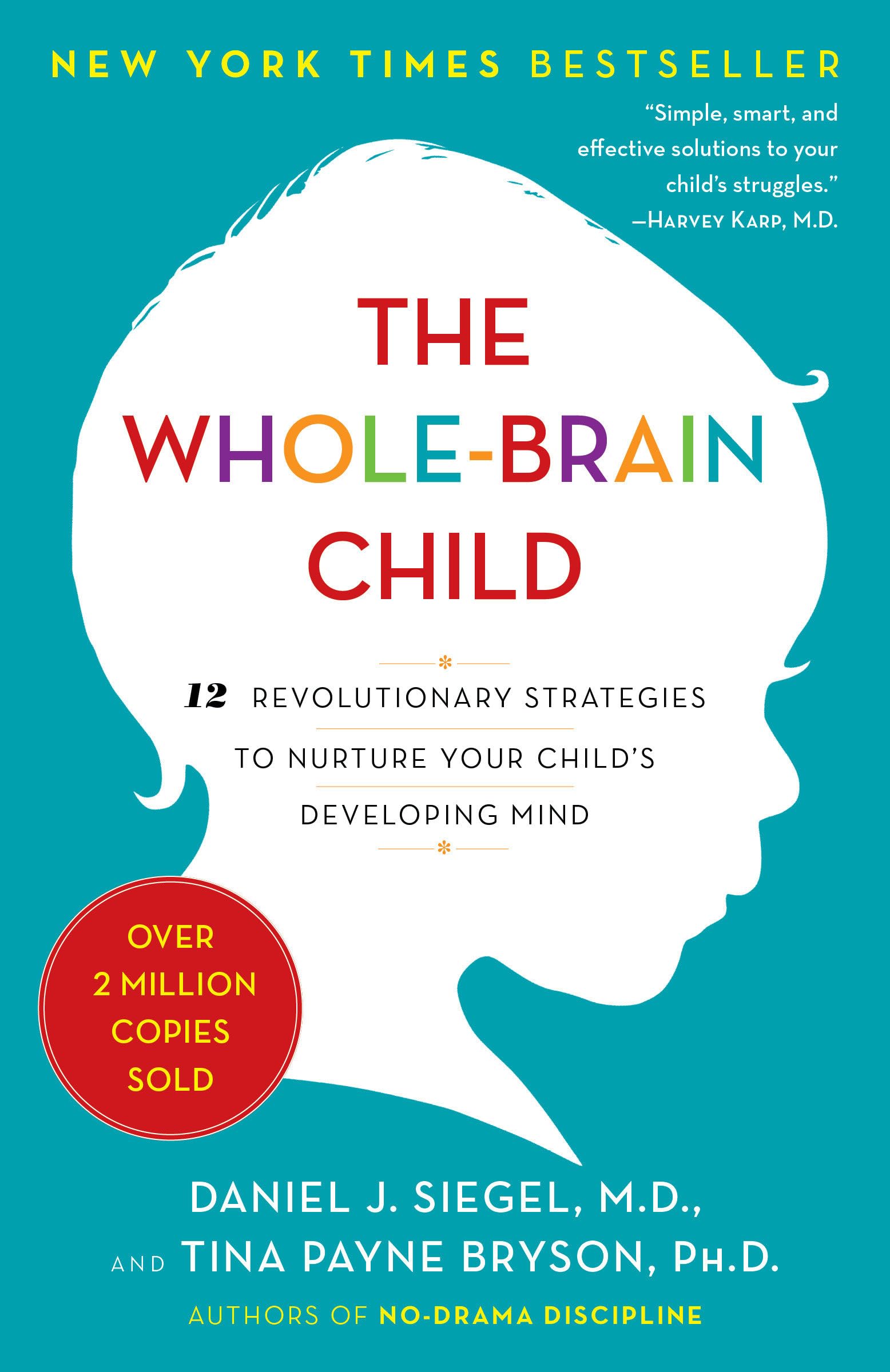 The Whole-Brain Child
 How to Talk So Kids Will Listen & Listen So Kids Will Talk
 Untamed
 The 5 Love Languages of Children
 Expecting Better
 Love You Forever