The American Academy of Pediatrics, on its page about family routines, tells parents to make dinner a time when people eat together without the distraction of electronic devices or television, as often as they can. The same page says, "Children do best when routines are regular, predictable and consistent," and then it warns against the other failure: a structure so rigid that nobody has a choice. That pair of sentences is the whole table rule. Show up in a way people can count on. Do not turn the meal into a set.
The familiar mom line is shorter. Come eat. Sit down. Don't talk with your mouth full. The lines sound like manners. Under them is a claim about belonging: for this half hour, the people in the house are in the same place, looking at the same food, available to each other.
What the table is actually practicing
A shared meal practices three small skills. You arrive when you said you would. You let someone else finish a sentence. You eat what is there, or you say a plain no without a speech about the cook.
The Academy's family-meals page, updated May 14, 2024, and written by pediatrician Natalie D. Muth, puts the bar lower than a magazine spread. Meals can be simple. Everyone can help. The page says even three meals together each week can make a real difference, and it tells adults to hand children most of the floor so you can hear what they are thinking. If an argument starts, the suggested line is to hear both sides and come back to it after dinner, then actually come back to it. Pausing is not the same as dodging.
That "three meals" line is the page's language, not a score you should post on the fridge. A week with two breakfasts and one late sandwich still counts if people were present. A week with seven perfect dinners and a phone in every hand does not, if the point was each other.
The Mother's Day page is full of the ceremonial version of family. The Tuesday version is this: someone set out plates, someone showed up, nobody performed gratitude on cue.
A routine with slack in it
Predictable does not mean identical. The routines page says a family has to find a compromise between chaos and a schedule that offers children no choice. Translate that into the meal you can actually repeat.
Pick the anchor before you pick the menu. The anchor might be "we eat at 6:30 on nights nobody works late," or "Sunday breakfast is the one nobody skips," or "the person who gets home second starts the pasta." Write it where the shopper will see it. A rule that lives only in your memory will be renegotiated every night by whoever is hungriest.
Build slack on purpose. One night is leftovers, eaten on the couch if the table is covered in homework, as long as the phones are in the other room and people can hear each other. One night the child assembles, not cooks: toast, fruit, cheese, a pot you already made. Muth's page calls helping a learning experience. It does not require a child to produce a dinner party.
If shift work or shared custody means you never have the whole cast, stop waiting for the whole cast. The people who are in the house tonight are the table. Tell the missing person one true sentence later — "we had eggs, Maya told a story about the bus" — so the meal still connects to them. Absence is not a moral failure. Pretending you can schedule your way out of a night shift is how the rule becomes a scolding.
Phones, manners, and the extra chair
Devices are the modern leaf in the table. The routines page names them because they pull eyes off the people in the room. You do not need a philosophy of technology to move them. A basket by the door, or a shelf that is not an arm's length from the plates, is enough. Say when they come back. "After the meal" is a time. "When you have earned them" is a fog, and it turns dinner into a trial.
The piece on kitchen-timer boundaries is the practical companion if the argument is really about screens and bed, not about food.
Manners are the other fight that swallows the meal. "Don't talk with your mouth full" is in the sayings archive because it is about not spraying the person across from you. Teach it once, demonstrate it, and let a reminder be short. A running commentary on elbows, napkins, and chewing teaches a child that the table is an inspection. Save the inspection for a skill you are actually teaching that week. One skill at a time is a routine. Five skills at once is a performance.
An extra chair is the part of the rule people skip when life is tight. It can be literal: a seat for a friend, a grandparent, a neighbor who eats alone. It can be verbal: a question that leaves room for a story you have not heard. Family stories land better at a table that already has slack than at a table that is racing to be finished.
When the table is the wrong tool
Some nights the meal should be quiet on purpose. A child who is cried out, a couple mid-fight, a teen who has asked to eat and then do homework — presence can be parallel. You can sit in the same room with a smaller demand: ten minutes, then people may leave. Announce the smaller demand before you sit down, so nobody feels tricked.
Do not use the table to deliver a consequence you have been saving. "Since we're all here, let's discuss your grades" ambushes the one reliable room in the house. Take grades to the time you already set for grades. Protect the meal the way you protect bedtime. Both are easier to keep if they are boring.
Food battles are a different subject from belonging. If eating itself is the struggle — fear, restriction, a medical issue — this cultural note is the wrong tool. Talk with a clinician who can look at your child. A clean-plate rule is not a character lesson, and this article will not pretend it is.
Allergies, budgets, and picky phases are ordinary. Muth's page says meals can be simple. One safe food on the table, plus the shared food, lets a child sit with the family without a showdown. Sitting is the rule. A cleaned plate is optional.
A week you can repeat
Choose the anchor meal. Move the phones once. Give one job to someone who is not you: setting out forks, washing two pots, choosing the fruit. At the table, ask one question you do not already know the answer to, then eat.
If the week falls apart, restart at the next anchor. Do not hold a postmortem about family values over burnt rice. The routines page is blunt that too little structure is chaos and too much is a cage. Your job is the middle, on the nights you have.
The blog also has the chore piece, which is where the work of the meal belongs — who clears, who packs the leftovers — so the table itself can stay a place people want to sit.
What is the one meal this week you could make predictable without making it impressive?
Q: Does breakfast count if dinner never happens together? A: Yes. The Academy's meals page is about eating together, not about a particular hour. A repeated breakfast where people talk beats a symbolic dinner that happens only when the calendar is empty.
Q: What if one person refuses to sit? A: Require the shared time in a size they can do — ten minutes, or the time it takes to eat their own plate — and do not chase them with speeches. Keep the rest of the table pleasant. A daily fight about attendance teaches everyone that the meal is a contest. Revisit the size of the requirement in a week, not in the middle of the pasta.
Sources and further reading
- American Academy of Pediatrics. The importance of family routines. On predictable, consistent routines that still leave flexibility, and on eating together without devices or television.
- Muth, N. D., for the American Academy of Pediatrics. Benefits of family meals: Eat together, thrive together. Updated May 14, 2024. On simple meals, shared helping, conversation, and the page's "even three meals a week" line.
- This is family-culture commentary, not nutrition or medical advice. For concerns about growth, eating, or a child's health, use a qualified clinician.
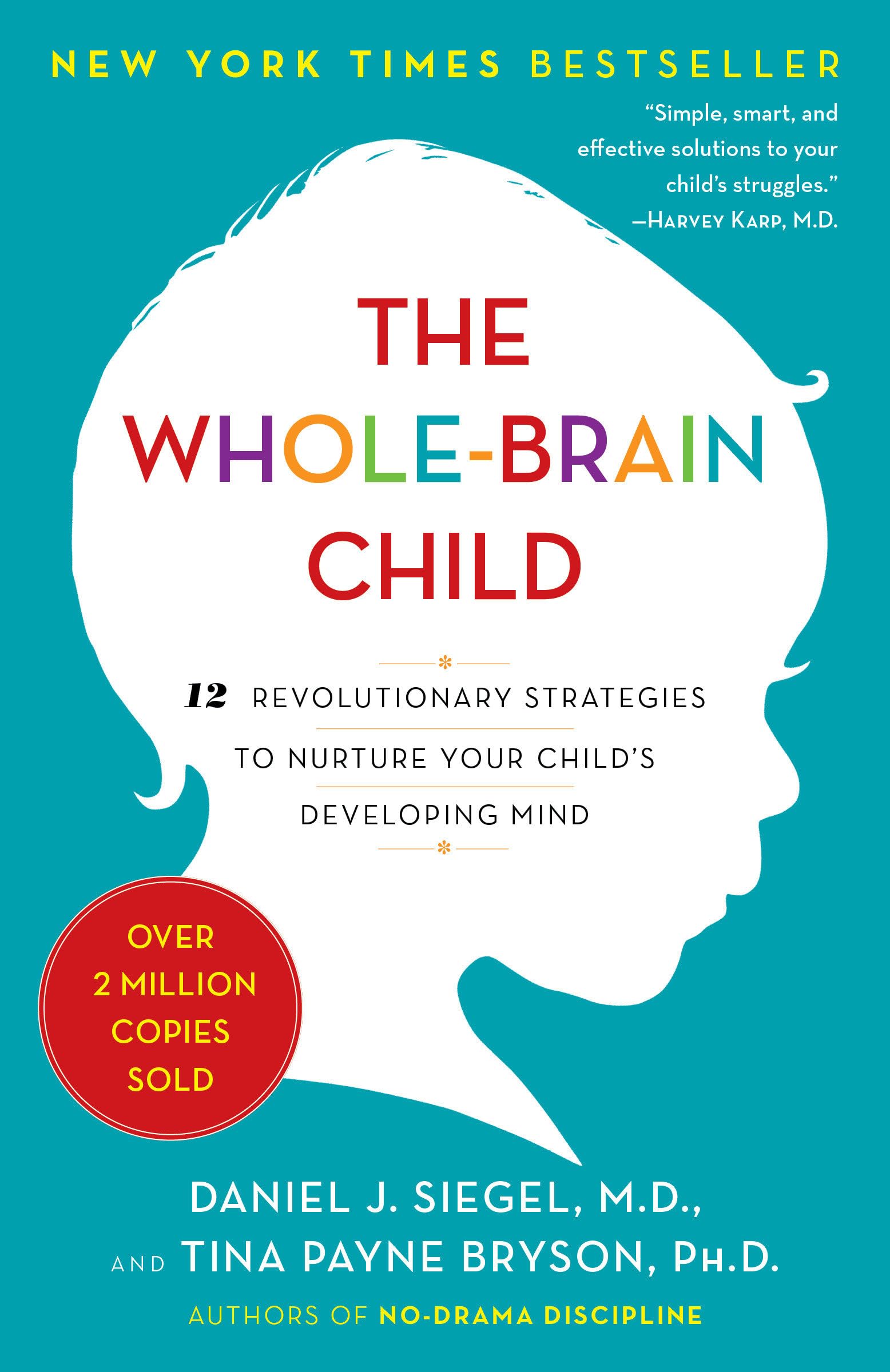 The Whole-Brain Child
 How to Talk So Kids Will Listen & Listen So Kids Will Talk
 Untamed
 The 5 Love Languages of Children
 Expecting Better
 Love You Forever